
Privacy & Hedge Planting in North Bay & Powassan
Professional privacy hedge and screen planting for year-round seclusion across Powassan, North Bay, and Northern Ontario. Cedar, spruce, lilac, and mixed privacy screens — all Northern Ontario hardy and planted by a crew with 35 years of experience and full WSIB insurance.
Martin Services plants privacy hedges and living screens for residential properties across Powassan, North Bay, Callander, Astorville, East Ferris, and surrounding communities in Northern Ontario. Whether you want to block the view from a busy road, screen off your backyard from neighbours, reduce wind exposure, or replace an aging chain-link fence with something beautiful, we'll help you choose the right species, plan the spacing, prepare the soil, and plant a hedge that thrives in our Northern Ontario climate.
A well-planted privacy hedge does what a fence can't — it gets better every year. It blocks noise, filters wind, provides habitat for birds, and adds significant value to your property. In our Zone 4-5 climate, species selection matters enormously. We only plant varieties proven to survive Northern Ontario winters, and we know exactly how to space, stake, and mulch them for the best possible establishment in our short growing season.
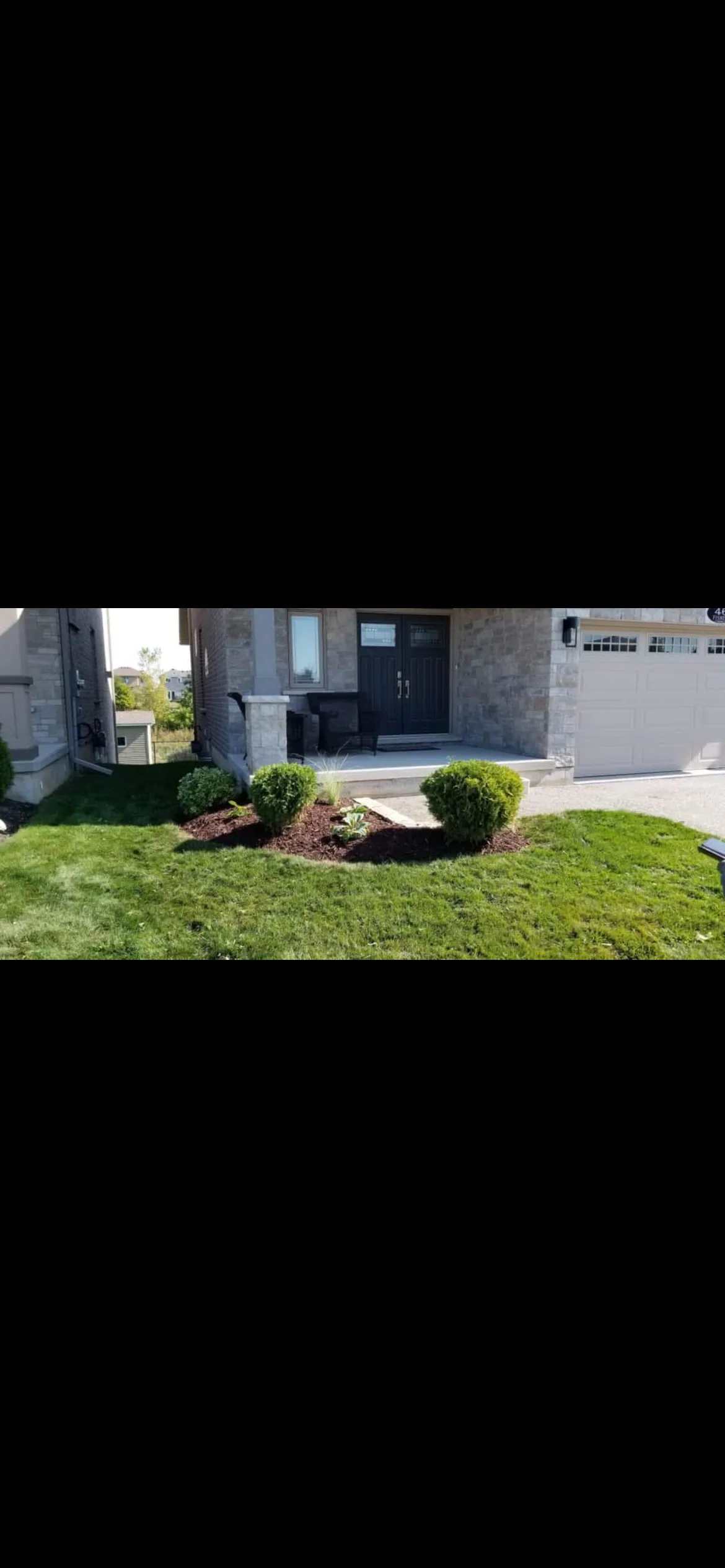
Signs You Need a Privacy Hedge
Living screens solve problems that fences, walls, and wishful thinking can't. Here's what drives most of our hedge planting calls.
No Backyard Privacy
Neighbours can see your deck, patio, or pool area. A cedar hedge provides year-round screening that only gets denser with time.
Ugly Chain-Link or Wire Fence
Chain-link fences provide a boundary but zero privacy. A hedge planted along the fence line transforms the look and feel of your entire yard.
Wind & Road Noise Exposure
Properties along highways, busy roads, or open fields deal with constant wind and noise. A dense evergreen hedge acts as a natural sound and wind barrier.
Unsightly Views
Block the view of a neighbour's messy yard, a commercial property, utility boxes, or anything else you'd rather not look at from your home.
How We Plant Your Privacy Hedge
Consultation
We discuss your privacy goals, budget, timeline, and any specific concerns like deer pressure, sun/shade conditions, or soil type.
Site Assessment
On-site visit to measure the planting area, assess sunlight exposure, check soil conditions, and note any underground utilities.
Species Selection
We recommend the best hedge species for your specific conditions — factoring in growth rate, mature height, deer resistance, and year-round screening.
Layout & Spacing Plan
Precise spacing calculated for your chosen species to achieve a dense, even hedge without overcrowding or gaps.
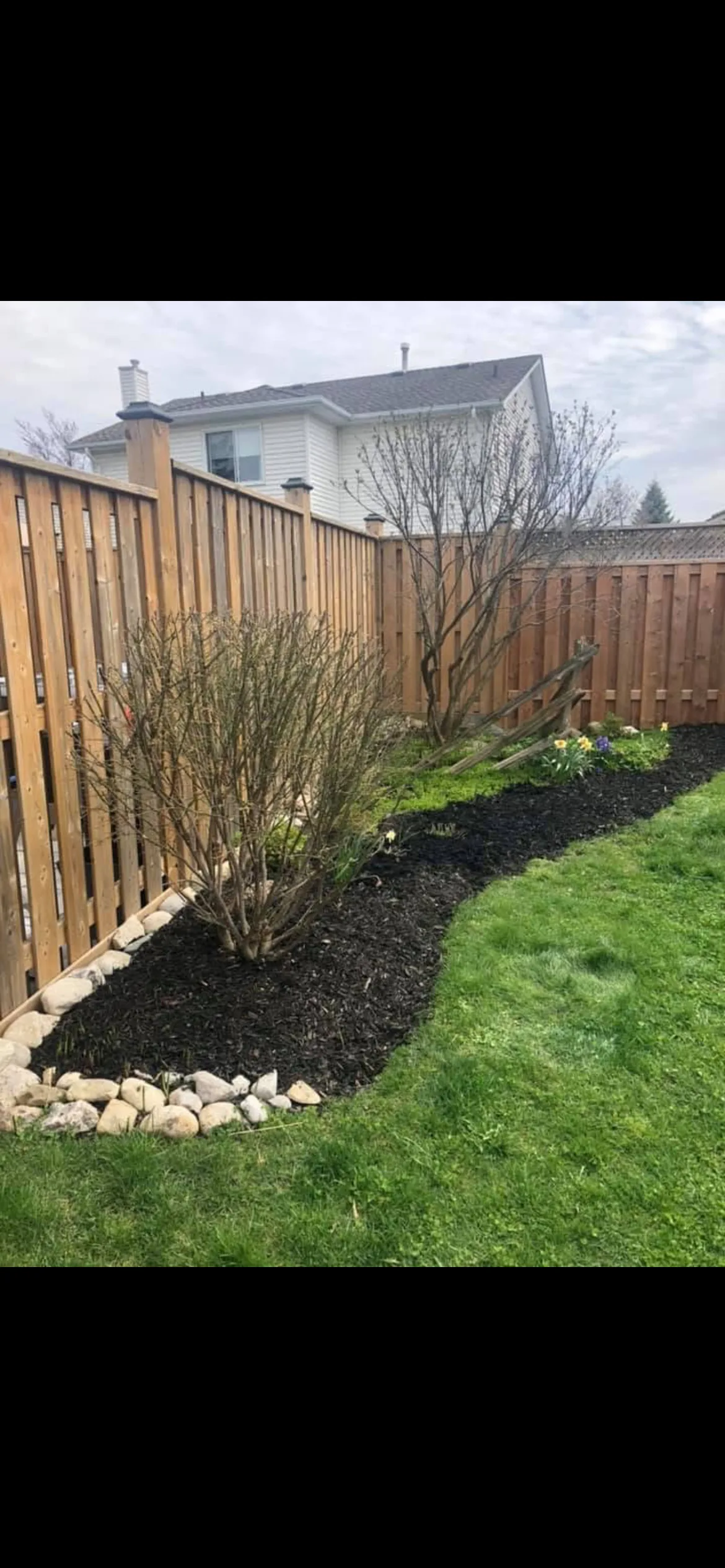
Soil Preparation
Existing soil amended as needed with compost and nutrients. Proper drainage ensured to prevent root rot and promote healthy growth.
Planting
Each tree planted at the correct depth, properly aligned, and backfilled with amended soil. Staking applied for larger specimens.
Staking & Mulching
Trees staked for wind protection, then a generous mulch ring applied to conserve moisture, regulate soil temperature, and suppress weeds.
Watering Plan & Care Guide
You receive a clear watering schedule and first-year maintenance guide specific to your species and soil conditions.
Popular Privacy Hedge Species
Every species we plant is proven to thrive in Northern Ontario's Zone 4-5 climate. Here are the most popular options for our area.
Eastern White Cedar
The most popular privacy hedge in Northern Ontario. Native, Zone 3 hardy, year-round green, tolerates heavy snow. Grows 15-30 cm/year. Our #1 recommendation for most properties.
Emerald Cedar
A tighter, more columnar variety that maintains a formal appearance with minimal trimming. Ideal for narrower planting areas. Slightly slower growth but very dense.
White Spruce
Excellent for larger properties and taller screens. Deer resistant, dense year-round coverage, and extremely cold hardy. Great as a windbreak along property edges.
Common Lilac
Beautiful spring blooms with a heavenly fragrance. Provides dense summer privacy with a more informal, cottage-garden feel. Loses leaves in winter but retains good branch density.
Ninebark & Dogwood
Deer-resistant deciduous options with attractive foliage colour throughout the season. Great for mixed screens where deer pressure rules out cedar.
Mixed Privacy Screen
A combination of evergreen and deciduous species planted together for year-round interest, varied texture, and natural disease resistance. Our premium recommendation.
Best Time to Plant Hedges in Northern Ontario
The best planting windows in our area are late spring (mid-May to June, after the last frost) and early fall (September to mid-October, before the ground freezes). Spring planting gives trees the full growing season to establish roots before winter. Fall planting works well because cool, moist conditions reduce transplant stress.
Avoid planting in the heat of July and August — transplant shock is higher and watering demands are intense. We schedule our hedge planting projects during the optimal windows to give your investment the best possible start.
Hedge Planting Essentials
- Cedar spacing — 60-90 cm (2-3 ft) apart, centre to centre
- Planting depth — Top of root ball level with surrounding soil
- Mulch ring — 3-4 inches deep, 2 feet wide around each tree
- First-year watering — Deep soak 2-3 times per week during dry spells
- Annual trim — Late June to early July for best results
Privacy Hedge FAQs
Got questions about privacy hedges? Here are the ones we hear most. Can't find your answer? Call us at (249) 506-9211.
What is the best hedge for Northern Ontario?
Eastern White Cedar is the most popular and reliable choice — native, Zone 3 hardy, year-round green, and tolerates heavy snow. For deer-prone areas, White Spruce is a better option. For blooms and fragrance, Common Lilac is hard to beat. Call (249) 506-9211 to discuss your options.
How fast do cedar hedges grow?
Eastern White Cedar grows 15-30 cm (6-12 inches) per year in our area. Most homeowners plant at 4-6 feet and achieve full privacy within 3-5 years. For instant privacy, we can source larger 6-8 foot specimens at a higher cost per tree.
How far apart should I plant cedars?
We recommend 60-90 cm (2-3 feet) apart, centre to centre. Tighter spacing fills in faster but costs more in trees. Wider spacing is more economical and fills in within a few years. We'll measure your property and recommend the right quantity.
When is the best time to plant hedges?
Late spring (mid-May to June) and early fall (September to mid-October) are the best windows. Spring gives trees a full season to establish; fall planting benefits from cool, moist conditions. Avoid mid-summer heat. Call (249) 506-9211 to schedule.
Are cedar hedges deer resistant?
No — deer love Eastern White Cedar, especially in winter. If deer pressure is a concern, consider White Spruce, Ninebark, or Dogwood. We can also install temporary deer fencing to protect new cedar plantings during their first few winters.
How tall will a privacy hedge grow?
Depends on species and maintenance. White Cedar can reach 12-15 metres if untrimmed but is usually maintained at 6-10 feet. Emerald Cedar tops out at 4-5 metres. Spruce can reach 15-20 metres. Regular trimming keeps hedges at your preferred height.
What maintenance does a privacy hedge need?
Cedar hedges need annual trimming (late June to early July), consistent watering during the first two growing seasons, and mulch around the base. After establishment, they're relatively low-maintenance — annual trimming and occasional deep watering during dry spells. We provide a first-year care guide with every installation and offer ongoing hedge trimming services.
Related Landscaping Services
Privacy hedge planting often pairs with these other services.
Ready for Year-Round Privacy?
Free estimates on every hedge planting project. We'll visit your property, recommend the right species and spacing, and give you a clear quote. Your privacy hedge is an investment that gets better every year.